

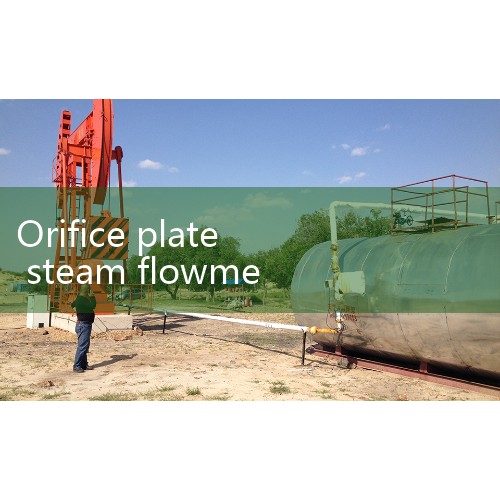
『Orifice plate steam flowmeter』Related information(clamp on meter|electromagnetic meter|venturi meterrotameter|orifice meter|ultrasonic flow meter|mass flow meter|coriolis mass flow meter|coriolis flow meter|magnetic flow meter|magmeter flow meter|magflow flow meter|mag meter flow meter|electromagnetic flow meter|vortex flow meter|turbine flow meter|thermal mass flow meter|thermal flow meter|rotameter flow meter)
1. What is a differential pressure orifice flowmeter? Orifice plate flowmeter, also known as orifice plate flowmeter, is a type of differential pressure flowmeter mainly used for flow measurement of liquids, gases, and vapors. During use, the only drawback of orifice plate flowmeter is that it cannot be made with a diameter smaller than DN25. The measurement advantages of orifice flowmeter are high measurement accuracy and wide range ratio. It can meet the high temperature measurement medium of 700 degrees and the pressure can reach over 30MPa. It can be considered a relatively strong flowmeter among flow measurement instruments. Precautions for installation of orifice flowmeter: The high and low pressure ports of the differential pressure transmitter air cherry source should not be installed upside down. When measuring liquids, it is necessary to prevent gases contained in the liquid from entering and accumulating in the measuring chamber of the pressure tube and transmitter. When measuring gases, it is necessary to prevent liquids that may be contained in the gas from entering and accumulating in the pressure tube and transmitter measurement chamber. When measuring high-temperature liquids and gases, precautions should be taken to prevent damage to the transmitter from high-temperature media. When measuring strongly corrosive, easily crystallized, and clogged media, corrosive media should be prevented from entering the transmitter. The installation location of differential pressure transmitters should be away from electrical noise, such as high-power transformers, motors, welding machines, and strong power sources. There should be no radio frequency interference near the instrument, otherwise it will interfere with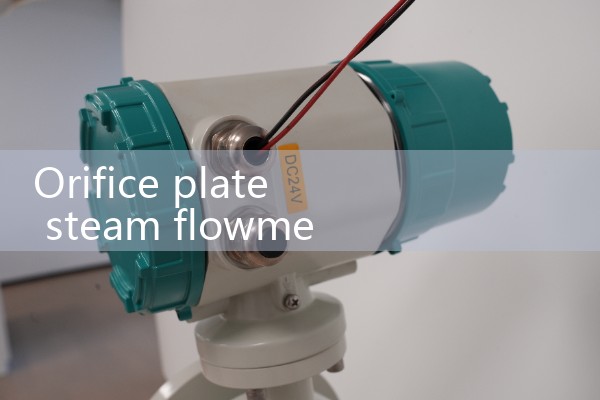
(1) When measuring the flow rate of modified liquid, the flow sensor can be installed vertically, and it is required that the bucket fluid flows from bottom to top to ensure full pipe. If the flow can be ensured to fill the pipeline, the flow sensor can also be installed on the pipeline flowing from top to bottom. As the positive and negative pressure taps are not at the same horizontal position, the differential pressure transmitter should be relocated.
(2) When measuring gas flow, the flow meter does not have strict requirements for the fluid flow direction in the pipeline when measuring dry gas flow. When measuring wet gases, it is required that the gas flows from top to bottom.
2. Types and characteristics of common flow meters
3. What flow meters are used to measure gas flow and steam flow? Do you have any knowledgeable friends to share?
1、 The use of a throttling differential pressure flowmeter to measure steam mass flow must be coordinated with the measuring instrument used to obtain steam density, and together with the accumulator, form a derived mass flowmeter to ensure measurement accuracy. In practical application systems, the fluid temperature and pressure near the commonly used measurement points are calculated to obtain the corresponding density, and then the instantaneous ma
 Hot Product
 Related AD