

『Gas Flow Meter Units Framework: Standardizing SCCM, SLPM, SCFH, and NM3/H Volume Calculations』Related information(clamp on meter|electromagnetic meter|venturi meterrotameter|orifice meter|ultrasonic flow meter|mass flow meter|coriolis mass flow meter|coriolis flow meter|magnetic flow meter|magmeter flow meter|magflow flow meter|mag meter flow meter|electromagnetic flow meter|vortex flow meter|turbine flow meter|thermal mass flow meter|thermal flow meter|rotameter flow meter)
Gas Flow Meter Units Framework: Standardizing SCCM, SLPM, SCFH, and NM3/H Volume Calculations
Quick Answer: Gas flow meter selection often fails because buyers use different units and reference conditions. Use SCCM for low flow gas tests, SLPM for bench scale gas, SCFH for process gas and fuel gas, and NM3/H for compressed air and utility gas. Send your gas type, pressure in bar, temperature in °C, pipe size in DN, and flow range to Silver Automation Instruments for a unit matched quotation.
This gas flow meter units framework for standardizing SCCM, SLPM, SCFH, and NM3/H volume calculations helps plant engineers and buyers compare gas flow meter specs without unit errors.
Why Gas Flow Unit Standardization Matters
Most inquiries reach Silver Automation Instruments with a flow number but no clear unit framework. A buyer in Vietnam may ask for nitrogen at 30 SLPM. A buyer in Chile may ask for the same physical flow at about 64 SCFH. Both numbers are close in mass flow after conversion, but the supplier needs the reference conditions before quoting. Without standard units, two meters can both look correct on a data sheet and fail after installation.
Here is the thing. Gas volume changes with pressure and temperature. That is why SCCM, SLPM, SCFH, and NM3/H all use standard or normal reference conditions. The unit only becomes useful when the reference temperature and pressure are written next to it. At Silver Automation Instruments, we quote gas flow meters only after confirming gas composition, pressure, temperature, and pipe size.
Unit Definitions and Typical Applications
SCCM means standard cubic centimeters per minute. It covers very low gas flows. A 100 SCCM thermal mass flow meter fits leak testing, gas chromatography, and glove box purging. Silver Instruments has supplied a 20 SCCM thermal mass flow meter to a paint manufacturer in Southeast Asia for solvent vapor monitoring.
SLPM means standard liters per minute. It is common for laboratory reactors, pilot plants, and gas blending. A 0-50 SLPM thermal mass flow meter is a standard product for clean gases like nitrogen and argon. The pipe size is often DN15 or DN25.
SCFH means standard cubic feet per hour. Process plants in North America, the Middle East, and parts of Oceania still specify gas flow in SCFH. A 0-500 SCFH flow meter suits natural gas, biogas, and burner fuel gas lines. The typical pipe size for this range is DN25 or DN40.
NM3/H means normal cubic meters per hour. It is the most common unit for compressed air, nitrogen, CO2, and utility gas audit. Plant operators often know total air consumption in NM3/H because their compressors and dryers are rated in this unit.
Reference Conditions Change the Number
The base conversions look simple. 1 SLPM equals 1000 SCCM. 1 NM3/H equals 16.667 SLPM. 1 SCFH equals 0.472 SLPM at 70 °F and 1 atm. The problem starts when reference conditions differ. Some suppliers use 0 °C and 1013 mbar for SLPM and NM3/H. Others use 20 °C and 101.325 kPa. A gas flow number without the reference condition can shift by about 7 percent, just from temperature reference.
In practice, this causes most errors on site. A compressed air meter quoted in NM3/H at 0 °C may not match a plant energy audit calculated at 20 °C. If the line pressure is 7 bar and temperature is 25 °C, the difference is even larger. That is why Silver Automation Instruments writes the reference condition on every gas flow meter quote.
Standard volume flow is not actual volume flow. To calculate actual volume, adjust for pressure and temperature. Air at 100 NM3/H at normal conditions becomes roughly 14 actual cubic meters per hour when the line runs at 7 bar gauge and 25 °C. Actual gas velocity in the pipe changes. This changes the vortex meter sizing and the thermal sensor response.
Selecting a Meter by Gas Flow Unit
For SCCM and SLPM ranges, a thermal mass flow meter is the most common choice. It is cost effective for clean gas and gives a
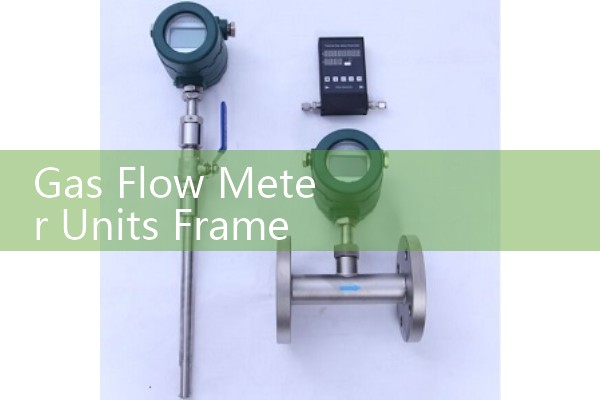
For SCFH and NM3/H ranges, vortex flow meters and thermal mass flow meters cover most process lines. Vortex meters work well on compressed air, steam, and natural gas above the required Reynolds number. Thermal mass flow meters are simpler for low pressure gas and small lines from DN15 to DN80. Both types can be supplied with 4-20 mA HART output for plant control systems.
Most engineers skip this part. The meter selection also depends on gas composition, not just the unit. A thermal flow meter needs the gas specific heat data. A vortex meter needs a minimum flow velocity and a stable downstream pipe run. If the gas is dirty or contains droplets, an insertion thermal meter will read incorrectly. In that case, a Coriolis mass flow meter is a better option, but it costs more and comes in larger pipe sizes.
A Practical Sizing Example from Vietnam
Last year a customer in Vietnam asked for a nitrogen flow meter at 30 SLPM. The plant data sheet said pressure 6 bar, temperature 25 °C, pipe size DN15. Silver Automation Instruments quoted a 0-50 SLPM thermal mass flow meter with 4-20 mA HART output. The unit shipped with 0 °C reference conditions. After installation, the customer noticed a reading shift because the actual line pressure was 7 bar. Gas density had changed. We adjusted the meter configuration using the Silver Instruments configuration software. This example is common. The flow number alone was not enough. Pressure, temperature, and reference condition made the difference.
How to Request a Gas Flow Meter Quote
Do not send only a flow value. Send the full unit framework before quoting. Silver Automation Instruments needs your gas type, pressure in bar, temperature in °C, pipe size in DN, and flow range in SCCM, SLPM, SCFH, or NM3/H. Also confirm the standard reference condition if you know it. If not, our engineers will confirm the common reference for your country and industry.
For oil and gas sites with ATEX Zone 1, Silver Automation Instruments can supply thermal mass flow meters with stainless steel sensors and 316L bodies. For food and beverage sites, clean dry air meters with tri clamp connections are available. Contact us by Tel: +86-135-1213-1526, WhatsApp: 86-135-12131526, or WeChat: +86 13512131526. Send us your pressure (bar), temperature (°C), pipe size (DN), and flow range. We will return a unit matched quotation.
FAQ: Gas Flow Meter Units and Sizing
Which unit should I use for my gas flow application?
Use SCCM for very low flows like leak testing and analyzers. Use SLPM for bench scale gas and laboratories. Use SCFH for process gas and fuel gas. Use NM3/H for compressed air and utility gas audits.
Why does my supplier quote different standard conditions?
Different countries and industries use different reference temperatures and pressures. Some use 0 °C and 1013 mbar. Others use 20 °C and 101.325 kPa. Always write the reference next to the unit.
Can Silver Automation Instruments convert my SCFH requirement to NM3/H?
Yes. We convert gas flow units after confirming the gas composition and reference conditions. We also size the meter based on actual line pressure and temperature.
Do I need a thermal mass flow meter or Coriolis for SLPM ranges?
For clean gas like nitrogen, argon, and air, a thermal mass flow meter is usually enough. For gas mixtures, wet gas, or changing composition, a Coriolis mass flow meter gives more stable mass flow output.
What data should I send for a gas flow meter quotation?
Send gas type, pressure in bar, temperature in °C, pipe size in DN, and flow range in SCCM, SLPM, SCFH, or NM3/H. Also include the ambient temperature and area classification if needed.
 Hot Blog
 Related AD