

 Current position > Product detail
『Krohne Flow Meter Optiflux 4000 Manual Download: Advanced Chemical Lining Installation Steps』Related information(clamp on meter|electromagnetic meter|venturi meterrotameter|orifice meter|ultrasonic flow meter|mass flow meter|coriolis mass flow meter|coriolis flow meter|magnetic flow meter|magmeter flow meter|magflow flow meter|mag meter flow meter|electromagnetic flow meter|vortex flow meter|turbine flow meter|thermal mass flow meter|thermal flow meter|rotameter flow meter)
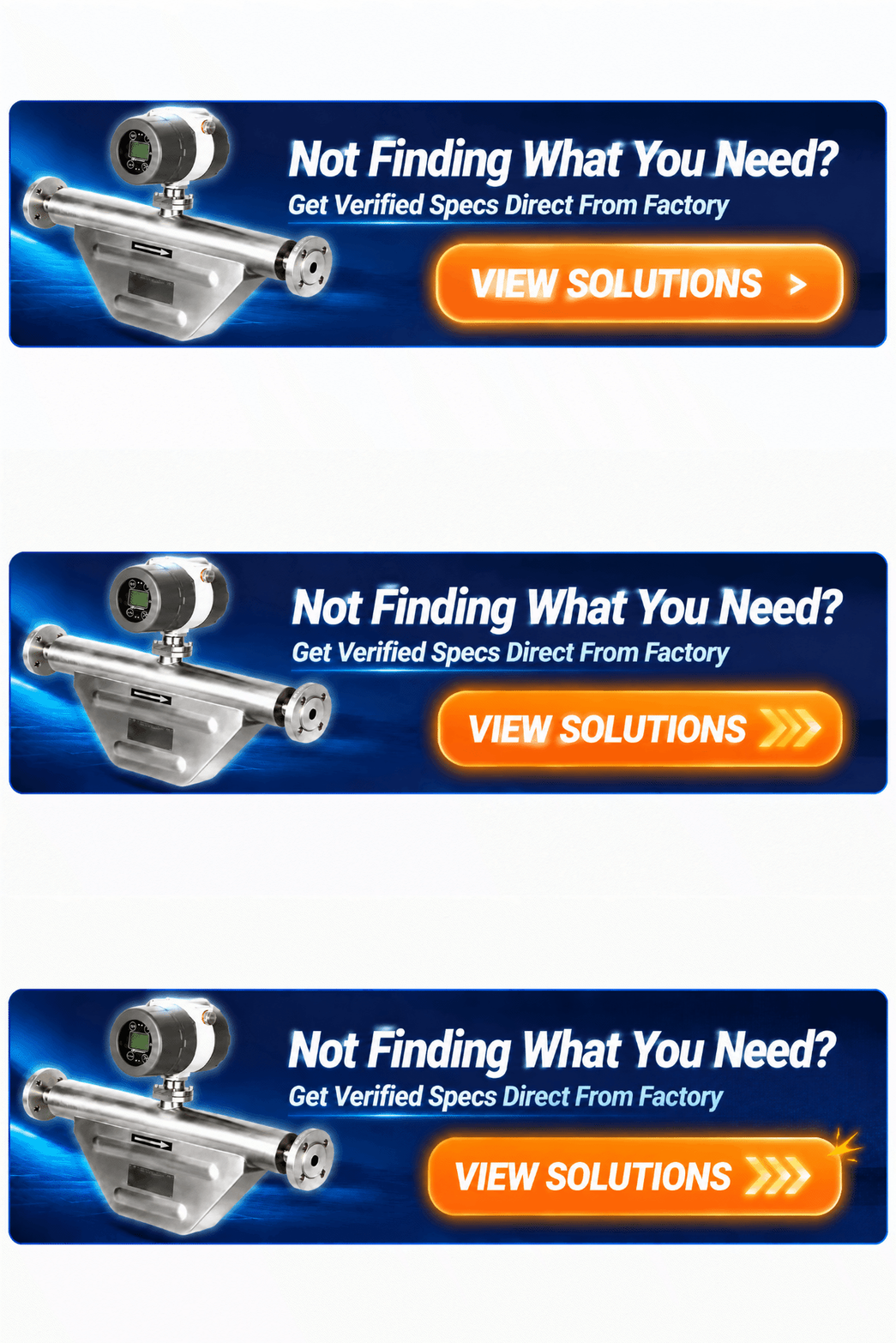
Krohne Flow Meter Optiflux 4000 Manual Download: Advanced Chemical Lining Installation Steps
Quick Answer: The Krohne Optiflux 4000 manual download covers PFA and PTFE liner handling, flange torque, grounding, and startup checks for aggressive chemical service. Most installation failures come from wet flange faces, bent grounding rings, or uneven torque. Silver Instruments supplies electromagnetic flow meters with similar chemical linings and can quote a replacement sensor for DN15 to DN300 lines within 48 hours.
Many engineers download the manual when they receive a new Krohne Optiflux 4000 for a chemical plant, a plating workshop, or a desalination skid. The document lists approved lining materials for acids, caustics, and solvents. But the manual is long. In practice, most technicians need only a few pages for PFA, PTFE, ETFE, and rubber liner installation steps.
What the Manual Covers for Advanced Chemical Linings
The Krohne Optiflux 4000 manual download section for linings gives data for PFA, PTFE, ETFE, and hard rubber. PFA suits strong acids such as 32 percent hydrochloric acid or 98 percent sulfuric acid at temperatures up to 120 °C. PTFE suits aggressive solvents and high purity processes. ETFE works for abrasion and chemical mix. Hard rubber is common in seawater and brine lines. Minimum conductivity for the meter is typically 5 µS/cm. Output options include 4-20 mA HART, pulse, and Modbus.
Silver Instruments uses the same liner families on our SFE-E electromagnetic flow meter. We stock PFA, PTFE, and ETFE liners for DN15 to DN300. This helps when customers ask for a compatible spare for an existing Krohne installation or a second meter for a new blending skid.
Installation Steps for PFA and PTFE Lined Sensors
Step one is visual inspection. Remove the blind flanges and check the liner face for cuts, bubbles, or dirt. Do not use metal tools directly on the liner. A small cut in a PFA liner can expand once hot acid touches the sensor.
Step two is alignment. Put the sensor between the pipe flanges and center it with the flange bolts. Misalignment causes liner stress and later cracking at the edge. Use two bolts at the bottom to hold the sensor weight while you insert the top bolts.
Step three is dry fitting. The pipe flange faces must be dry and clean. Moisture trapped between the liner and the gasket can cause liner creep in chemical service. Most engineers skip this part. We have seen water trapped between the liner and a rubber gasket on a Vietnam plating line, and the liner shifted after two weeks of hot acid flow.
Grounding and Torque Control
Chemical lined electromagnetic flow meters need proper grounding. Use the grounding rings or earth rings supplied with the sensor. Do not rely on the process pipe alone, especially with plastic pipes or internally coated pipe. For a lined steel pipe, connect the grounding ring to a clean bolt hole and check resistance. For nonconductive pipelines, use an additional earth electrode or grounding ring set.
Bolt torque is where most installers fail. Tighten the flange bolts in a cross pattern. Start at 30 percent of final torque, then 60 percent, then full torque. Never tighten from one side only. Uneven torque deforms the liner and causes zero drift or liner cracks. For a PN16 flange on DN80, final torque often lands between 25 Nm and 45 Nm depending on gasket type. Check the Krohne manual for the exact value.
Startup Checks After Installation
Af
Silver Instruments Replacement Options
If the Krohne Optiflux 4000 manual download helps you install a sensor but you need a spare, send us your chemical name, concentration, temperature, pipe size, and flow range. Silver Instruments can supply an SFE-E electromagnetic flow meter with PFA or PTFE liner, DN15 to DN300, 4-20 mA HART output, and a pressure rating from PN10 to PN40. We also supply Hastelloy C, tantalum, and platinum electrodes for aggressive chemical service. A paint manufacturer in Southeast Asia ordered an SFE-E with PTFE liner and tantalum electrodes for a solvent blending line. Delivery took 10 days.
Our application engineers check your conductivity, viscosity, and temperature before quoting. Minimum conductivity is typically 5 µS/cm for electromagnetic flow meters. For acid and caustic flow, we size the meter and select liner and electrode materials. For batching and custody transfer, we add a pulse output and an active totalizer. For hazardous areas, we can supply ATEX Zone 1 options. If the fluid viscosity is above 100 cP, tell us in the request because it changes the flow profile in small line sizes. We match ANSI, DIN, and JIS flange patterns.
Contact Silver Automation Instruments for a quote.
Tel: +86-135-1213-1526
Whatsapp: 86-135-12131526
WeChat: +86 13512131526
Website: flow-meter.com.au
FAQ
Q1: Where can I download the Krohne Optiflux 4000 manual?
A1: The manual is available from the Krohne website under product documentation. You can also contact Silver Instruments for help with installation steps or a quick replacement quote.
Q2: What liner is best for hydrochloric acid?
A2: PFA is the standard choice for hydrochloric acid up to 32 percent concentration and 120 °C. PTFE works for higher purity requirements but can be harder to seal at high temperatures.
Q3: Can I use a Krohne Optiflux 4000 with a plastic pipe?
A3: Yes. Electromagnetic flow meters work with plastic pipes. You need grounding rings or earth electrodes because the pipe itself cannot ground the process liquid.
Q4: What is the minimum conductivity for the Krohne Optiflux 4000?
A4: The typical minimum conductivity is 5 µS/cm. Some configurations with special electrodes can go lower, but 5 µS/cm covers most water, acid, and caustic processes.
Q5: Does Silver Instruments offer a drop in replacement for the Krohne Optiflux 4000?
A5: We offer an SFE-E electromagnetic flow meter with similar liner options and face to face dimensions for many DN sizes. Send us the flange standard, DN size, pressure class, liner, electrode, and process fluid for a fit check.
Send us your chemical, concentration, temperature in °C, pipe size in DN, pressure in bar, and flow range in kg/h or m3/h. Our team will reply within one business day with a model and price.